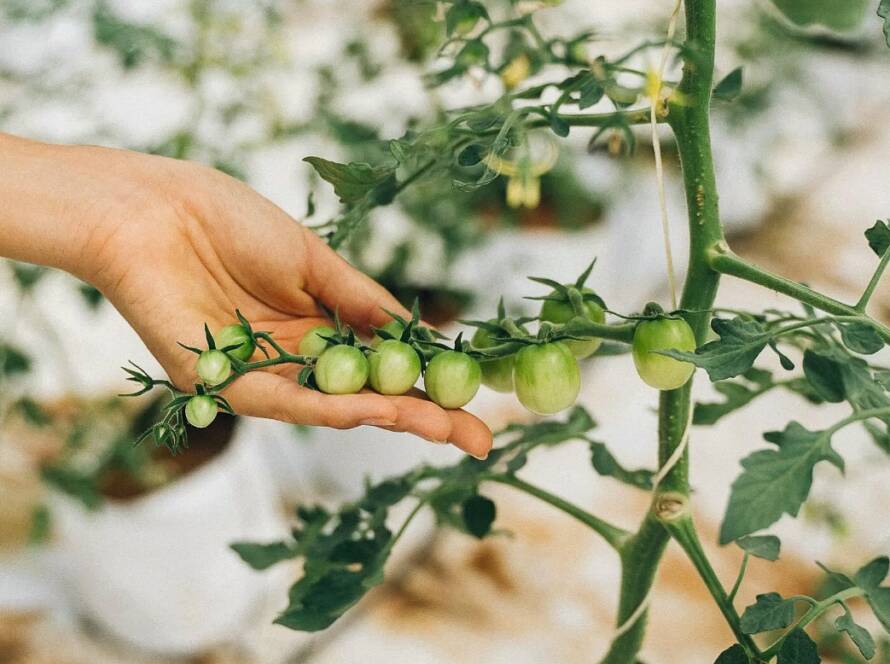
Manali, a picturesque town nestled in the mountains of Himachal Pradesh, is renowned for its breathtaking landscapes and serene environment. Beyond its natural beauty, Manali is also becoming a hub for sustainable agriculture practices. These practices are not only vital for preserving the environment but also play a crucial role in supporting the local economy and ensuring food security. This article delves into the sustainable agriculture practices in Manali, highlighting the methods, benefits, and impact on the local community.
The Importance of Sustainable Agriculture
Sustainable agriculture is essential for maintaining ecological balance, conserving resources, and supporting long-term agricultural productivity. In regions like Manali, where the natural environment is a key attraction, sustainable farming practices help preserve the pristine landscapes and ensure that farming activities do not harm the ecosystem.
Key benefits include:
● Environmental Protection: Reducing the use of harmful chemicals and conserving water and soil health.
● Economic Viability: Providing long-term income stability for farmers and reducing dependency on external inputs.
● Social Equity: Supporting local communities and promoting food sovereignty.
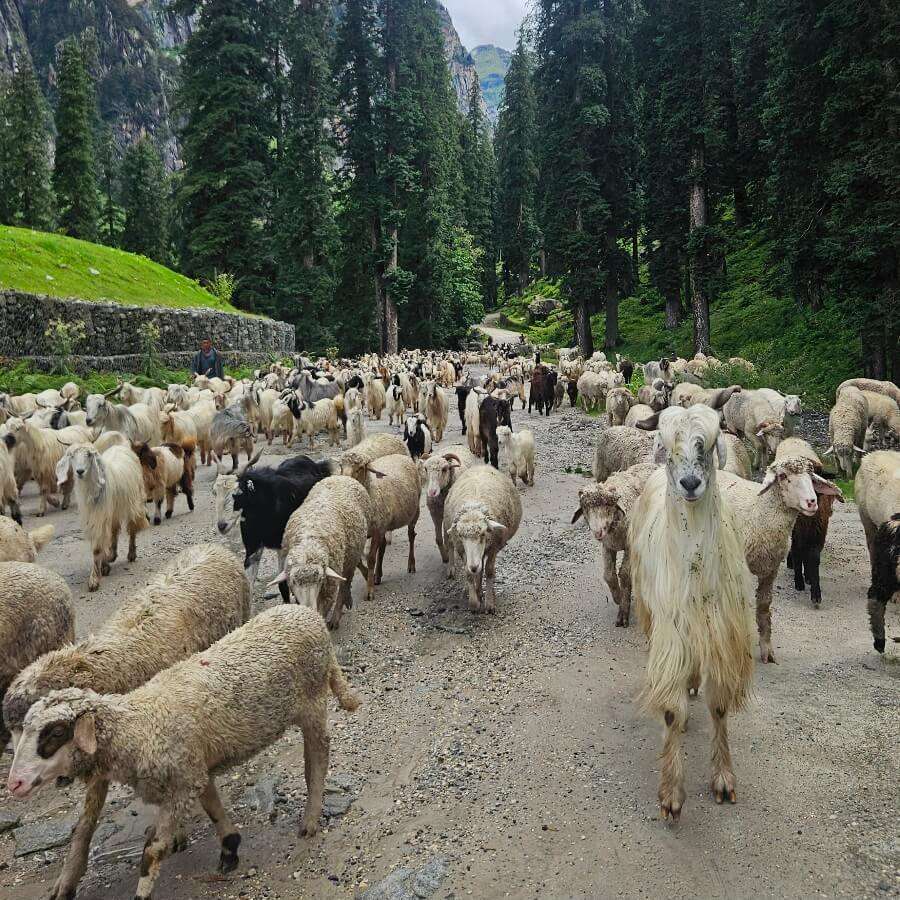
Key Sustainable Agriculture Practices in Manali
Organic Farming
Organic farming is a cornerstone of sustainable agriculture in Manali. This method involves growing crops without synthetic pesticides, herbicides, or fertilizers. Instead, organic farmers use natural inputs such as compost, green manure, and biological pest control.
● Soil Health: Organic farming practices improve soil structure and fertility through the use of organic matter. This enhances water retention and reduces soil erosion.
● Biodiversity: Encouraging a diverse range of crops and livestock helps maintain ecological balance and reduces the risk of pest outbreaks.
● Market Demand: There is a growing demand for organic produce, both locally and globally, providing economic incentives for farmers to adopt these practices.
Agroforestry
Agroforestry integrates trees and shrubs into agricultural landscapes, creating a more diverse, productive, and sustainable land-use system. In Manali, agroforestry practices are used to enhance soil fertility, improve water retention, and provide habitat for wildlife.
● Soil Erosion Control: Trees and shrubs help prevent soil erosion by stabilizing the soil with their root systems.
● Microclimate Regulation: Vegetation can moderate local climate conditions, providing shade and reducing temperature extremes.
● Additional Income: Trees can provide additional sources of income through the sale of fruits, nuts, timber, and other non-timber forest products.
Permaculture
Permaculture is a holistic approach to agriculture that focuses on designing agricultural systems that mimic natural ecosystems. In Manali, permaculture principles are applied to create sustainable and self-sufficient farming systems.
● Closed-Loop Systems: Permaculture emphasizes recycling nutrients and energy within the farm system, reducing waste and external inputs.
● Diversity: Promoting a diversity of crops and animals enhances resilience and reduces dependency on single crops.
● Water Management: Techniques such as rainwater harvesting and contour planting help conserve water and reduce irrigation needs.
Integrated Pest Management (IPM)
IPM is an environmentally friendly approach to pest control that combines different management strategies and practices. In Manali, farmers use IPM to minimize the use of chemical pesticides and manage pest populations in a sustainable manner.
● Biological Control:
Using natural predators and parasites to control pest populations.
● Cultural Practices: Crop rotation, intercropping, and other cultural practices disrupt pest life cycles and reduce their impact.
● Mechanical and Physical Controls: Traps, barriers, and manual removal of pests are used to manage pest populations.

The Role of Local Organizations and Government Initiatives
Several local organizations and government initiatives in Manali are promoting sustainable agriculture practices through education, resources, and support.
Dr. Y.S. Parmar University of Horticulture and Forestry
Located in Solan, near Manali, this university conducts research and provides training on sustainable agriculture practices. It offers extension services to local farmers, helping them implement new techniques and improve their productivity.
Himachal Pradesh Horticultural Produce Marketing and Processing Corporation (HPMC)
HPMC supports farmers by providing infrastructure for processing and marketing their produce. It promotes organic farming and offers certification services for organic products, helping farmers access premium markets.
Non-Governmental Organizations (NGOs)
Several NGOs in the region are dedicated to promoting sustainable agriculture. They provide training, resources, and support to local farmers, helping them adopt sustainable practices and
improve their livelihoods.
Success Stories of Sustainable Agriculture in Manali
Apple Orchards
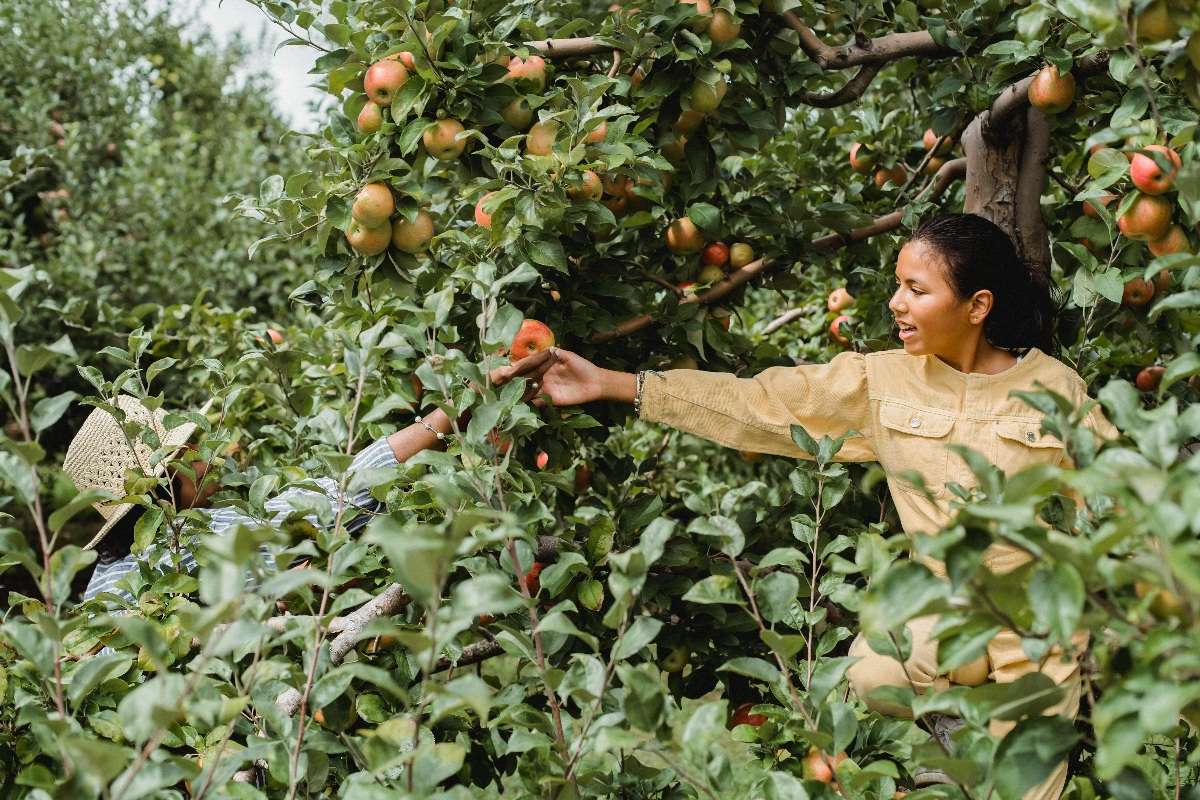
Apple farming is a major agricultural activity in Manali, and many apple orchards have adopted organic and sustainable practices. Farmers use compost and organic mulches to improve soil health and reduce chemical inputs. The success of these orchards has encouraged other farmers to switch to organic practices.
High-Altitude Vegetable Farming
In the higher altitudes of Manali, farmers grow a variety of vegetables using sustainable methods. Techniques such as polyculture and companion planting are used to enhance soil fertility and control pests naturally. These practices have resulted in higher yields and better quality produce.
Community-Supported Agriculture (CSA)
CSA programs in Manali connect consumers directly with local farmers. Consumers subscribe to receive regular deliveries of fresh, seasonal produce, providing farmers with a stable income and reducing food waste. CSA programs promote sustainable farming practices by encouraging local consumption and reducing transportation emissions.
Challenges and Future Directions
While there has been significant progress in promoting sustainable agriculture in Manali, several challenges remain.
Climate Change
Climate change poses a significant threat to agriculture in Manali. Unpredictable weather patterns, shifting growing seasons, and increased incidence of pests and diseases require farmers to adapt their practices continuously.
Resource Limitations
Access to resources such as water and quality seeds can be limited, making it challenging for farmers to maintain sustainable practices. Infrastructure improvements and better resource management are needed to support sustainable agriculture.
Education and Awareness
Ongoing education and awareness programs are essential to encourage more farmers to adopt sustainable practices. Collaboration between government agencies, educational institutions, and NGOs can help disseminate knowledge and provide the necessary support.
Growing a Sustainable Future
Sustainable agriculture in Manali is about more than just farming – it is about protecting the environment, supporting local communities, and ensuring food security for the future. By adopting eco-friendly practices, promoting education, and fostering collaboration, farmers and organizations are paving the way for a resilient and thriving agricultural landscape. Every effort counts, and together, they are cultivating a greener, healthier future for Manali and beyond.