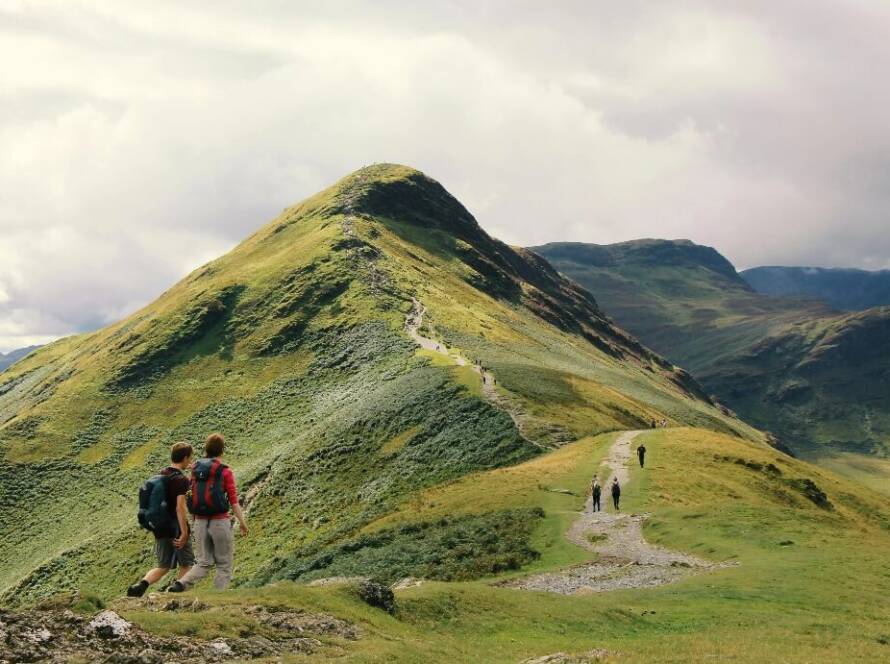
Manali, a picturesque hill station in Himachal Pradesh, India, is renowned for its stunning landscapes, vibrant culture, and rich biodiversity. However, like many tourist destinations, Manali faces significant environmental challenges, including water scarcity. As the region attracts a growing number of tourists each year, the strain on its water resources intensifies. Both tourists and locals play a crucial role in conserving water to ensure the sustainability of this beautiful destination. This guide provides in-depth tips for water conservation in Manali.
The Importance of Water Conservation
Environmental Impact
● Ecosystem Preservation: Conserving water helps maintain the natural habitats of various plant and animal species.
● Water Cycle Maintenance: Proper water management supports the natural water cycle, ensuring that streams, rivers, and lakes remain healthy and vibrant.
Economic and Social Benefits
● Sustainable Tourism: Water conservation is essential for the long-term sustainability of tourism in Manali.
● Community Health: Adequate water supply is vital for the health and well-being of local communities.
● Agricultural Stability: Water conservation supports local agriculture, which is a significant part of Manali’s economy.
Tips for Tourists
Accommodation Choices
Stay at Eco-Friendly Hotels
● Green Hotels: Choose accommodations that prioritize water conservation through measures like low-flow fixtures, rainwater harvesting, and greywater recycling.
● Certifications: Look for certifications such as LEED, Green Key, or EarthCheck, which indicate a commitment to sustainable practices.
Water Usage in Hotels
● Towel Reuse: Reuse towels and bed linens to reduce laundry frequency, which conserves water.
● Shorter Showers: Take shorter showers to minimize water use. Aim for showers under five minutes.
● Turn Off Taps: Ensure taps are turned off while brushing teeth, shaving, or washing hands.
Responsible Outdoor Activities
Eco-Trekking
● Stay on Trails: Stick to designated trails to prevent soil erosion, which can affect water quality.
● Biodegradable Products: Use biodegradable soaps and detergents when camping or trekking.
Hydration Practices
● Reusable Bottles: Carry a reusable water bottle to reduce plastic waste and avoid overburdening local waste management systems.
● Refill Stations: Use water refill stations available in many parts of Manali instead of buying bottled water.
Dining and Shopping
Eat at Sustainable Restaurants
● Local and Organic: Choose restaurants that source food locally and use organic ingredients, which typically require less water to produce.
● Waste Reduction: Order only what you can eat to minimize food waste, which indirectly conserves water used in food production.
Conscious Shopping
● Local Products: Buy local products that have a lower water footprint compared to imported goods.
● Minimal Packaging: Choose items with minimal packaging to reduce waste and conserve the water used in packaging production.
Tips for Locals
Household Water Conservation
Efficient Fixtures
● Low-Flow Faucets and Showerheads: Install low-flow faucets and showerheads to reduce water usage.
● Dual-Flush Toilets: Use dual-flush toilets that allow for different flush volumes for liquid and solid waste.
Greywater Systems
● Greywater Recycling: Implement greywater recycling systems to reuse water from sinks, showers, and laundry for irrigation and flushing toilets.
Rainwater Harvesting
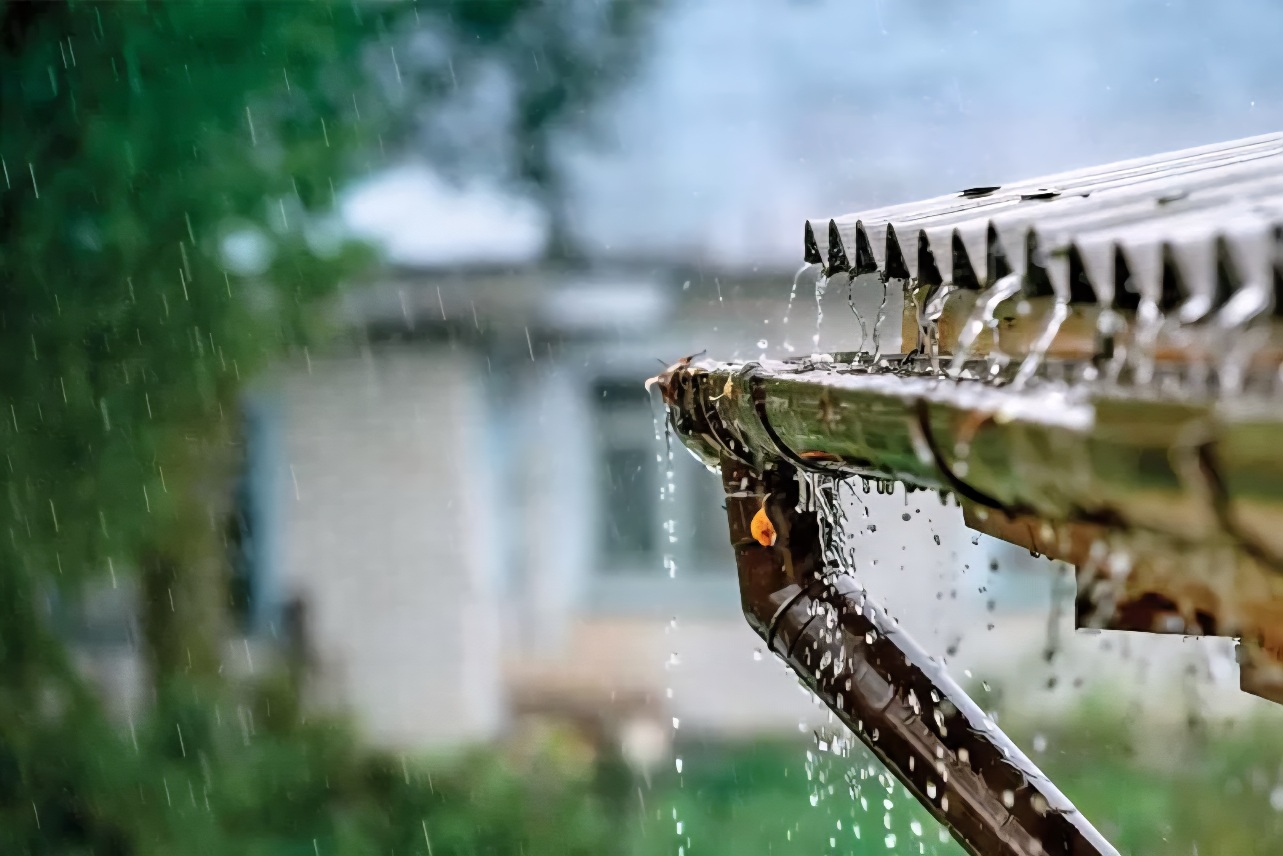
● Install Systems: Set up rainwater harvesting systems to collect and store rainwater for household use.
● Maintenance: Regularly maintain and clean rainwater harvesting systems to ensure efficient operation.
Community Initiatives
Awareness Campaigns
● Education: Conduct community education programs to raise awareness about the importance of water conservation.
● Workshops: Organize workshops on water-saving techniques and the installation of water-efficient devices.
Community Projects
● Clean-Up Drives: Participate in or organize clean-up drives for local water bodies to maintain their health and cleanliness.
● Water Conservation Projects: Engage in projects aimed at improving water infrastructure and management within the community.
Agricultural Practices
Efficient Irrigation
● Drip Irrigation: Use drip irrigation systems that deliver water directly to the plant roots, reducing water waste.
● Scheduling: Water crops during the cooler parts of the day (early morning or late evening) to minimize evaporation.
Soil Management
● Mulching: Apply mulch to soil surfaces to retain moisture and reduce the need for frequent watering.
● Crop Selection: Choose drought-resistant crop varieties that require less water.
Collaborative Efforts
Partnerships
● Local Government: Collaborate with local government bodies to implement and enforce water conservation policies.
● NGOs: Work with non-governmental organizations that focus on environmental conservation and water management.
Technological Innovations
● Water-Saving Technologies: Adopt new technologies that promote water efficiency, such as smart irrigation systems and water-efficient appliances.
● Monitoring Systems: Use water monitoring systems to track usage and identify areas where conservation efforts can be improved.
Policy and Regulation
● Incentives: Advocate for government incentives for households and businesses that implement water-saving measures.
● Regulations: Support the development and enforcement of regulations aimed at protecting local water resources.
Protecting Manali’s Water for the Future
Conserving water in Manali is a shared responsibility between tourists, locals, and businesses. By adopting simple practices – such as choosing eco-friendly accommodations, reducing water use during daily activities, supporting sustainable restaurants, and implementing efficient irrigation systems –everyone can contribute to the preservation of this pristine hill station. These efforts not only protect the environment and local ecosystems but also ensure the long-term well-being of communities and the sustainability of tourism. For more information on eco-friendly travel in Himachal Pradesh and responsible tourism practices, explore local guides and environmental initiatives that promote water conservation.