Manali, a picturesque hill station in Himachal Pradesh, is not only a hub for tourists seeking natural beauty and adventure but also a rich repository of traditional crafts and local artistry. When visiting Manali, purchasing sustainable souvenirs supports local artisans, preserves cultural heritage, and contributes to the local economy. This guide explores the best sustainable souvenirs to buy in Manali that have minimal environmental impact and significant cultural value.
The Importance of Sustainable Souvenirs
Economic Impact
Buying locally-made products helps sustain the livelihoods of artisans and their families. It ensures that the money spent by tourists stays within the community, fostering economic growth and stability.
Environmental Benefits
Sustainable souvenirs are often made using eco-friendly materials and processes. They reduce waste, minimize resource consumption, and often have a smaller carbon footprint compared to mass-produced items.
Cultural Preservation
Purchasing traditional crafts and locally-made products helps preserve cultural heritage. It encourages the continuation of age-old skills and techniques, ensuring that these cultural practices are passed down to future generations.
Top Sustainable Souvenirs in Manali
1. Handwoven Kullu Shawls
Overview
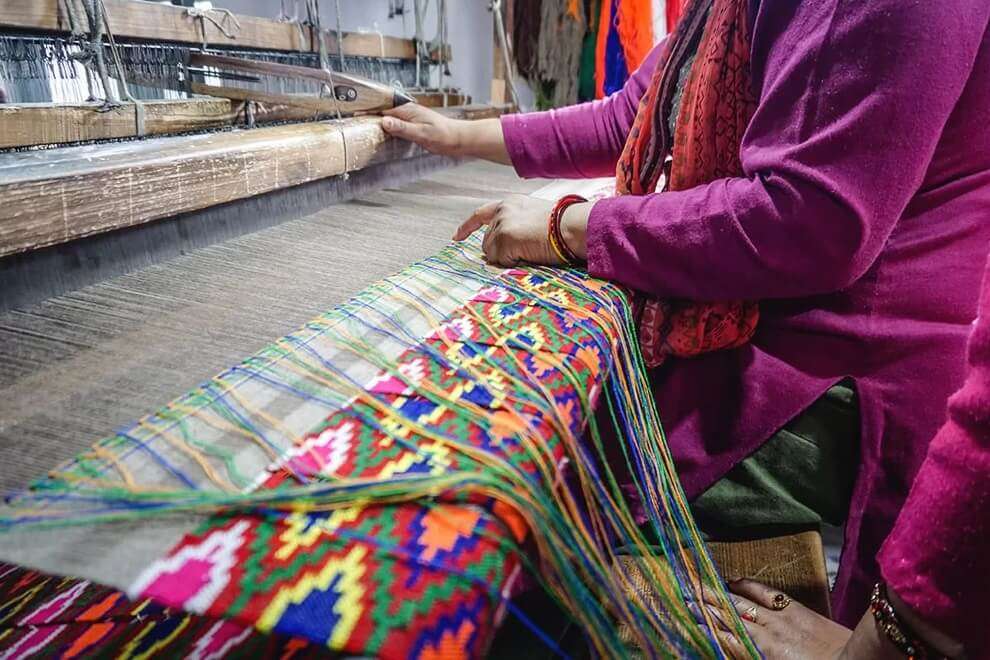
Kullu shawls are renowned for their intricate patterns and vibrant colors. These shawls are handwoven using traditional techniques passed down through generations.
Sustainable Aspects
● Natural Materials: Made from wool, these shawls use natural fibers that are biodegradable and eco-friendly.
● Local Craftsmanship: Buying these shawls supports local weavers and helps keep the tradition alive.
● Eco-Friendly Dyes: Many artisans use natural dyes derived from plants, reducing the environmental impact.
Where to Buy
● Tibetan Market: Offers a wide range of Kullu shawls in various patterns and colors.
● Local Handicraft Shops: Shops like Bhuttico and H.P. State Handicrafts & Handloom Corporation sell authentic Kullu shawls.
2. Handmade Woolen Clothing
Overview
In addition to shawls, Manali is famous for its handmade woolen clothing, including sweaters, hats, socks, and gloves. These items are perfect for keeping warm in the chilly mountain climate.
Sustainable Aspects
● Natural Wool: Wool is a renewable resource that provides warmth without synthetic fibers.
● Artisan Support: Purchasing handmade woolen clothing supports local knitters and their families.
● Durable and Long-Lasting: High-quality woolen items are durable and can last for many years, reducing the need for frequent replacements.
Where to Buy
● Old Manali Market: Known for its variety of handmade woolen items.
● Manu Market: Offers a range of locally-made woolen clothing.
3. Thangka Paintings
Overview
Thangka paintings are traditional Tibetan artworks that depict religious scenes and symbols. These paintings are created on cotton or silk and often feature intricate details and vibrant colors.
Sustainable Aspects
● Cultural Preservation: Buying Thangka paintings supports Tibetan refugees and helps preserve this traditional art form.
● Natural Materials: Many Thangka artists use natural pigments and fabrics.
● Handcrafted: Each painting is meticulously hand-painted, ensuring unique and high-quality artwork.
Where to Buy
● Tibetan Monasteries: Monasteries in and around Manali often sell Thangka paintings.
● Tibetan Market: A good place to find authentic Thangka paintings and other Tibetan crafts.

4. Wooden Handicrafts
Overview
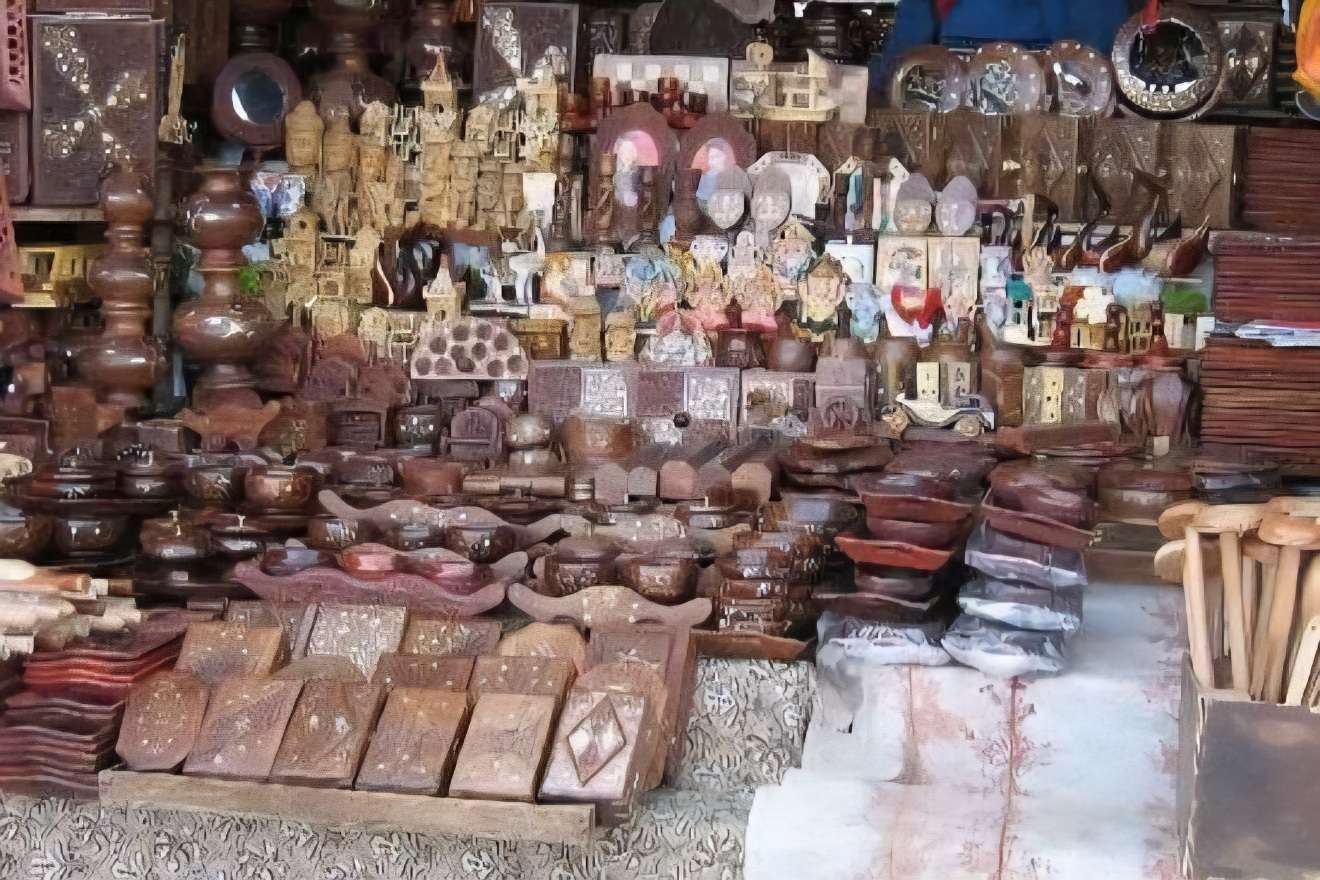
Manali is home to skilled woodworkers who create a variety of wooden handicrafts, including carved boxes, figurines, kitchenware, and furniture. These items reflect the rich cultural heritage of the region.
Sustainable Aspects
● Sustainable Wood: Artisans often use locally-sourced, sustainably-harvested wood.
● Traditional Techniques: Woodworking methods have been passed down through generations, preserving traditional skills.
● Durability: Wooden items are long-lasting and can be heirloom pieces.
Where to Buy
● Local Handicraft Stores: Shops like Himachal Emporium and Manu Market offer a wide range of wooden handicrafts.
● Villages Around Manali: Visiting local villages provides an opportunity to purchase directly from artisans.
5. Organic Food Products
Overview
Manali’s fertile land produces a variety of organic food products, including honey, jams, herbs, and spices. These products make excellent souvenirs and offer a taste of the local flavors.
Sustainable Aspects
● Organic Farming: Organic products are grown without synthetic pesticides or fertilizers, promoting environmental health.
● Local Economy: Buying organic products supports local farmers and producers.
● Health Benefits: Organic foods are often more nutritious and free from harmful chemicals.
Where to Buy
● Local Markets: Manu Market and Tibetan Market have stalls selling organic food products.
● Organic Farms: Visiting local farms allows you to buy fresh produce directly from the source.
6. Handmade Jewelry
Overview
Manali offers a variety of handmade jewelry crafted from materials like silver, semi-precious stones, beads, and shells. These pieces often reflect local styles and traditions.
Sustainable Aspects
● Ethically Sourced Materials: Many artisans use ethically sourced materials to create their jewelry.
● Handcrafted: Buying handmade jewelry supports local artisans and ensures unique, high-quality pieces.
● Local Designs: Jewelry often features traditional designs, helping to preserve cultural heritage.
Where to Buy
● Old Manali Market: Known for its eclectic range of handmade jewelry.
● Mall Road: A popular shopping destination with several jewelry shops.
7. Traditional Himachali Hats
Overview
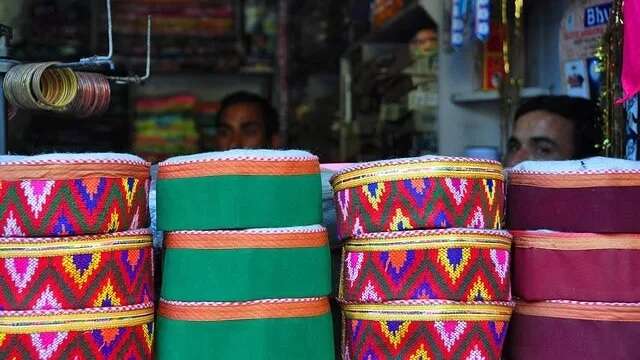
Himachali hats, also known as “Kullu caps,” are a distinctive part of the region’s traditional attire. These caps are typically made of wool and decorated with colorful patterns.
Sustainable Aspects
● Local Wool: Made from locally-sourced wool, these hats are eco-friendly.
● Cultural Significance: Buying and wearing Himachali hats helps preserve this aspect of local culture.
● Artisan Support: Purchasing these hats supports local weavers and artisans.
Where to Buy
● Local Markets: Available in most local markets, including Manu Market and Tibetan Market.
● Handicraft Shops: Specialized shops often have a wider variety of designs and colors.
8. Eco-Friendly Bags and Accessories
Overview
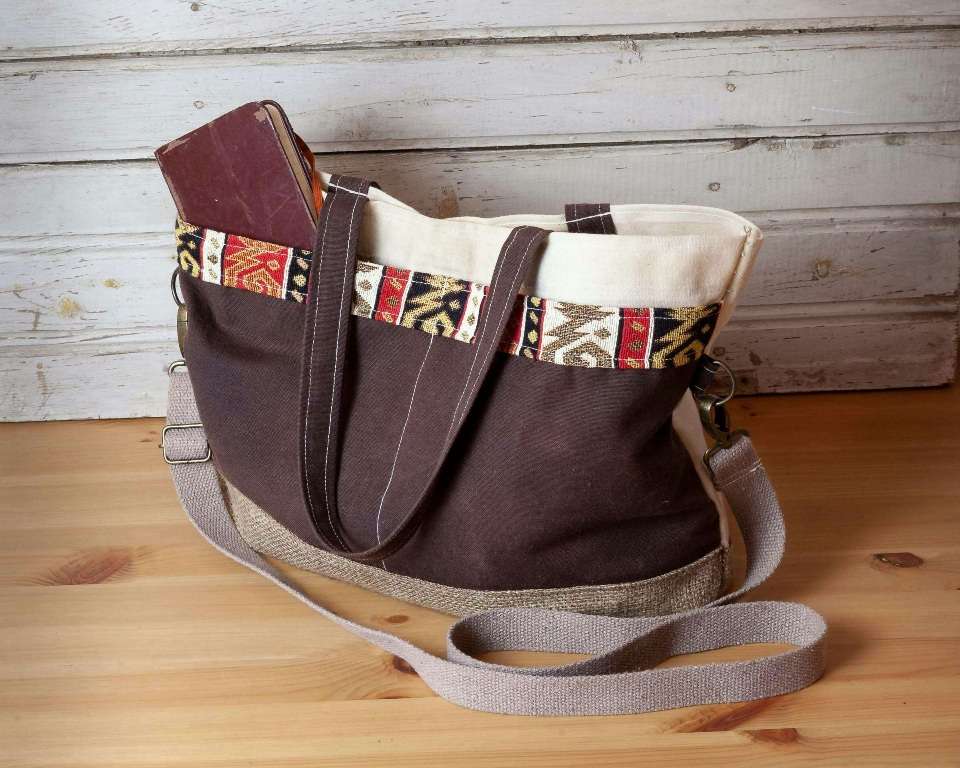
Manali’s artisans create a range of eco-friendly bags and accessories using sustainable materials like jute, cotton, and hemp. These items are practical and stylish souvenirs.
Sustainable Aspects
● Natural Materials: Bags and accessories made from renewable resources like jute and cotton.
● Handmade: Supports local artisans and reduces the carbon footprint associated with mass production.
● Reusable: Eco-friendly bags are a great alternative to single-use plastic bags.
Where to Buy
● Old Manali Market: Known for its selection of eco-friendly bags and accessories.
● Specialty Stores: Stores like Himachal Emporium offer a range of sustainable products.
9. Local Spices and Herbal Products
Overview
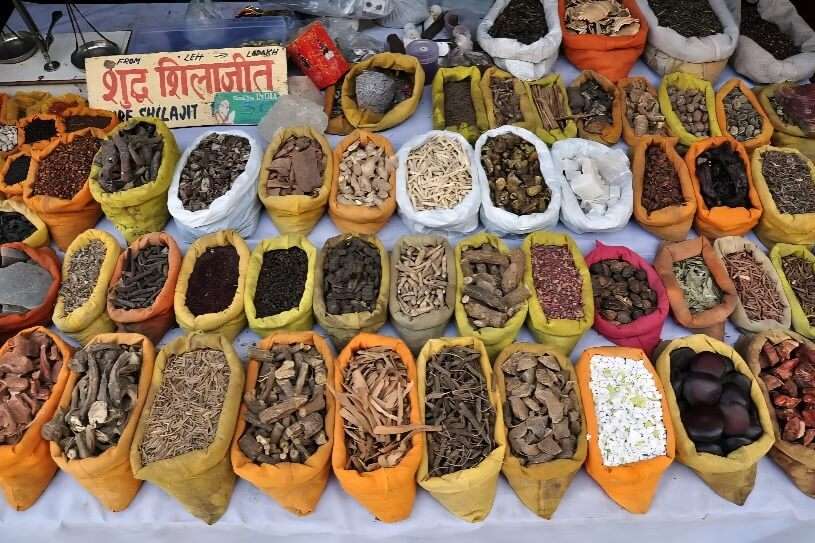
Manali is known for its rich array of spices and herbal products, including saffron, cardamom, and herbal teas. These items make wonderful souvenirs that bring a taste of Manali home with you.
Sustainable Aspects
● Organic Cultivation: Many spices and herbs are grown organically, without harmful chemicals.
● Support Local Farmers: Buying these products helps sustain local agricultural practices.
● Health Benefits: Herbal products often have medicinal properties and promote wellness.
Where to Buy
● Local Markets: Tibetan Market and Manu Market are good places to find a variety of spices and herbs.
● Organic Stores: Specialty shops selling organic and herbal products.
Tips for Buying Sustainable Souvenirs
Verify Authenticity
Ensure that the souvenirs you buy are authentic and genuinely made by local artisans. Look for certifications or ask about the origin of the products.
Avoid Bargaining
While it’s common to negotiate prices, remember that artisans often price their goods fairly to reflect their time and effort. Paying the asking price supports their livelihoods.
Support Cooperative Stores
Many cooperative stores and handicraft cooperatives sell products made by local artisans. Buying from these stores ensures that a fair share of the profits goes directly to the makers.
Reduce Plastic Use
Bring your own reusable bags when shopping to avoid plastic waste. Encourage vendors to use eco-friendly packaging.
Why Choosing Sustainable Souvenirs in Manali Matters
Exploring Manali is not just about breathtaking landscapes and adventure; it is also an opportunity to support local artisans and preserve the region’s rich cultural heritage. By choosing sustainable souvenirs – whether handwoven Kullu shawls, traditional Himachali hats, eco-friendly bags, or organic food products – you contribute to the local economy, promote environmentally friendly practices, and help keep traditional crafts alive. Thoughtful shopping ensures that your memories of Manali are not only personal but also meaningful, leaving a positive impact on both the community and the environment.