Manali, nestled in the northern Indian state of Himachal Pradesh, is not only a popular tourist destination but also a region rich in biodiversity and cultural heritage. As tourism and development pressures increase, the local community has taken significant steps to ensure the conservation of its natural environment. This article delves into various community initiatives in Manali aimed at environmental conservation, highlighting their strategies, impacts, and the role of local stakeholders.
The Importance of Community-Led Conservation
Environmental Benefits
● Biodiversity Protection: Community-led conservation efforts help protect the region’s diverse flora and fauna.
● Sustainable Resource Use: Promotes the sustainable use of natural resources, ensuring they are available for future generations.
● Pollution Reduction: Local initiatives can significantly reduce pollution and waste, preserving air and water quality.
Socio-Economic Benefits
● Local Empowerment: Engages local communities in decision-making processes, empowering them to take charge of their environment.
● Economic Stability: Conservation projects often create job opportunities and sustainable livelihoods for local residents.
● Cultural Preservation: Helps maintain traditional practices and knowledge related to environmental stewardship.
Key Community Initiatives in Manali
1. The Himalayan Natives Project
Overview
The Himalayan Natives project is a grassroots initiative that focuses on conserving the biodiversity of the Himalayan region through community involvement and education.
Activities
● Biodiversity Surveys: Conducts surveys to document and monitor local wildlife and plant species.
● Conservation Education: Organizes workshops and educational programs for local communities, schools, and tourists.
● Sustainable Farming Practices: Promotes organic farming and the use of traditional agricultural practices that are environmentally friendly.
Impact
● Increased Awareness: Enhanced awareness about the importance of biodiversity and sustainable practices among locals and tourists.
● Species Protection: Identified and implemented conservation strategies for several endangered species.
● Community Engagement: Actively involved local residents in conservation efforts, fostering a sense of ownership and responsibility.
2. Manali Cleanliness Drive
Overview
The Manali Cleanliness Drive is a volunteer-based initiative aimed at keeping Manali clean and reducing waste and pollution in the region.
Activities
● Regular Clean-Up Drives: Organizes regular clean-up drives in popular tourist areas, local markets, and along riverbanks.
● Waste Management Workshops: Provides training and resources for proper waste segregation and recycling practices.
● Public Awareness Campaigns: Runs campaigns to educate both locals and tourists about the importance of cleanliness and waste reduction.
Impact
● Cleaner Environment: Significantly reduced litter and waste in public areas, improving the overall cleanliness of Manali.
● Behavioral Change: Fostered a culture of cleanliness and responsible waste management among the community.
● Tourism Boost: Enhanced the appeal of Manali as a clean and green tourist destination.
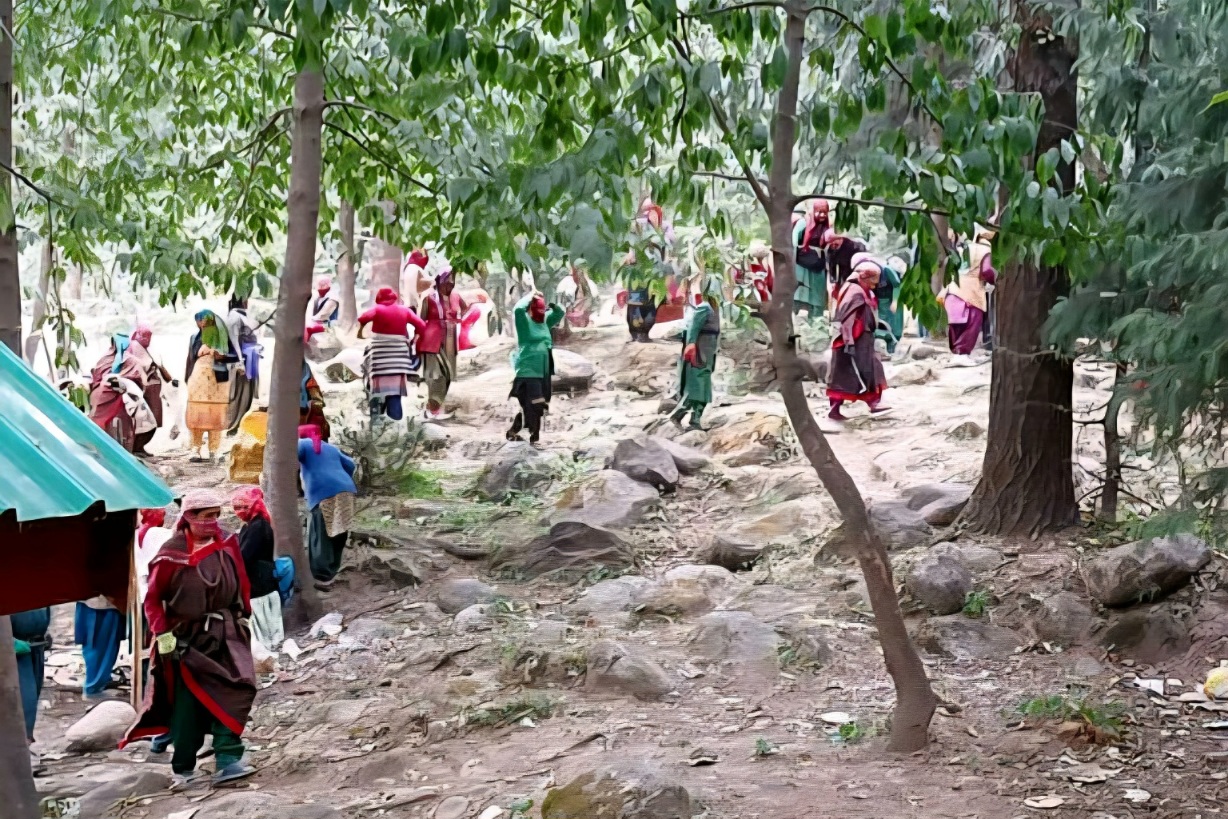
3. Save Manali Forests Campaign
Overview
The Save Manali Forests Campaign is focused on preserving and restoring the forested areas around Manali, which are crucial for maintaining ecological balance and biodiversity.
Activities
● Tree Planting Drives: Conducts tree planting drives to reforest degraded areas and enhance green cover.
● Forest Monitoring: Involves local volunteers in monitoring forest health and reporting illegal activities such as logging and poaching.
● Policy Advocacy: Works with local authorities to advocate for stronger forest protection policies and enforcement.
Impact
● Reforestation Success: Planted thousands of trees, contributing to reforestation and habitat restoration.
● Community Vigilance: Created a network of local volunteers who actively monitor and protect forest areas.
● Policy Changes: Influenced policy changes that strengthen forest conservation efforts.
4. Eco-Echoes: Environmental Education and Conservation
Overview
Eco-Echoes is an NGO dedicated to environmental education and conservation in the Manali region, working closely with schools, local communities, and tourists.
Activities
● School Programs: Integrates environmental education into school curriculums through interactive workshops and field trips.
● Community Projects: Implements community-based conservation projects such as rainwater harvesting, organic gardening, and waste recycling.
● Tourist Engagement: Provides eco-tours and workshops for tourists to raise awareness about local environmental issues.
Impact
● Youth Involvement: Engaged thousands of students in environmental activities, fostering a new generation of conservationists.
● Sustainable Practices: Introduced sustainable practices in local communities, improving resource management and reducing environmental impact.
● Informed Tourists: Educated tourists about responsible travel practices, reducing their environmental footprint.
5. Great Himalayan National Park (GHNP) Community-Based Conservation
Overview
The Great Himalayan National Park, a UNESCO World Heritage Site, collaborates with local communities to promote conservation and sustainable tourism.
Activities
● Community Rangers: Trains and employs local residents as park rangers to monitor and protect wildlife.
● Sustainable Tourism: Develops and promotes eco-tourism activities that benefit local communities while conserving natural resources.
● Cultural Heritage Preservation: Supports the preservation of local cultural heritage through eco-friendly tourism initiatives.
Impact
● Wildlife Protection: Enhanced protection of endangered species and their habitats.
● Economic Benefits: Provided sustainable livelihoods for local communities through eco-tourism.
● Cultural Preservation: Helped preserve and promote local cultural heritage, enhancing community pride and identity.
Challenges and Solutions
Challenges
● Funding Constraints: Limited financial resources can hinder the implementation and sustainability of conservation projects.
● Awareness and Education: A lack of awareness and education about environmental issues can limit community participation.
● Regulatory Enforcement: Inconsistent enforcement of environmental regulations can undermine conservation efforts.
Solutions
● Funding and Partnerships: Seek funding from government grants, international organizations, and private donors. Form partnerships with NGOs and businesses to pool resources.
● Education and Outreach: Increase educational programs and outreach efforts to raise awareness about the importance of conservation.
● Policy Advocacy: Advocate for stronger enforcement of environmental regulations and collaborate with authorities to ensure compliance.
The Future of Environmental Conservation in Manali
Innovative Approaches
● Technology Integration: Utilize technology such as drones, GIS mapping, and mobile apps for monitoring and managing conservation efforts.
● Community-Led Initiatives: Empower local communities to take the lead in conservation projects, ensuring sustainability and local ownership.
● Sustainable Tourism Models: Develop and promote sustainable tourism models that balance economic development with environmental protection.
Long-Term Goals
● Ecological Restoration: Aim to restore and protect key ecosystems, ensuring the long-term health of Manali’s natural environment.
● Community Empowerment: Continue to empower local communities through education, employment, and participation in conservation efforts.
● Global Collaboration: Collaborate with international organizations and experts to share knowledge, resources, and best practices.
A Shared Responsibility
The conservation of Manali’s natural and cultural heritage depends on the active involvement of both locals and visitors. By supporting community-led initiatives, practicing responsible tourism, and spreading awareness, we can all play a part in preserving this beautiful region for future generations. Every small action counts – together, we can ensure that Manali remains a thriving, sustainable destination.